
Booster 40 Bar Compressor Enquiries in Sri Lanka
Booster 40 Bar - MAC3
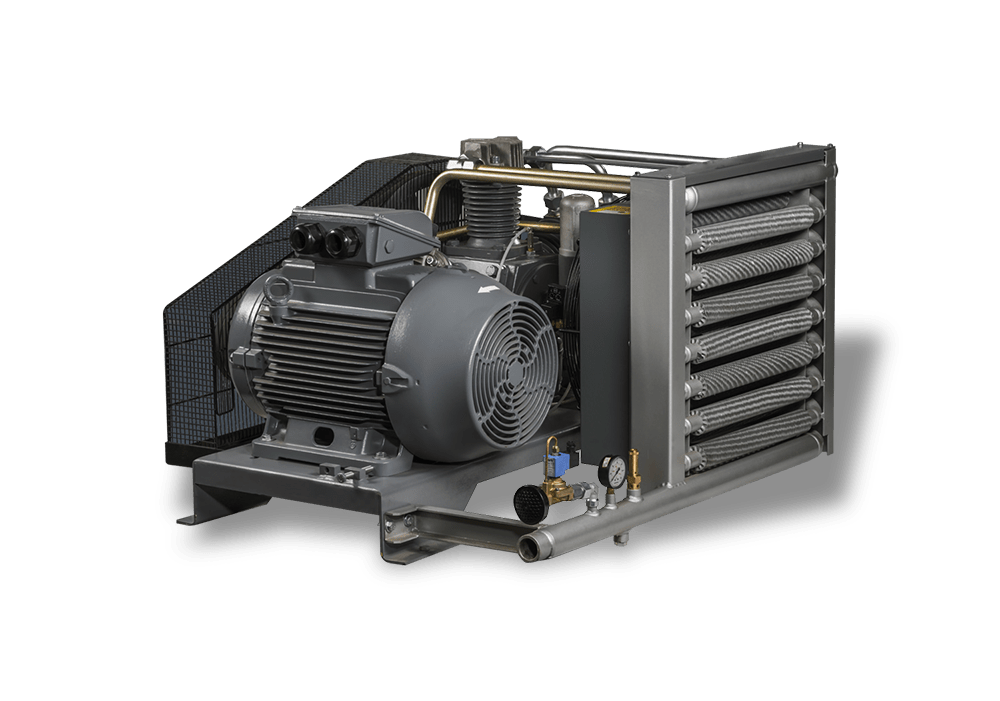
The MAC3 BOOSTER range is intended for installations that already have a compressed-air supply and need higher pressure. The published range describes inlet pressures of 7–13 bar and output up to 40 bar. For your Sri Lanka project, specify inlet conditions, required outlet flow and duty cycle before comparing booster models; confirm those figures for the quoted machine.
On this page
ToggleHIGHLIGHT
The MAC3 family reference describes a booster 40 bar duty using a stated 7–13 bar inlet supply and output up to 40 bar. Ask the exact model’s current documents to define output at your operating conditions; the family description is not a universal efficiency or performance guarantee.
Our Commitment to You
Request Booster 40 Bar details for your Sri Lanka application from Vortex Axion in Rajagiriya. Include the required flow and pressure, operating hours and site location. Call 0777 123 263 or 0117 101 818 to confirm the configuration, availability and quotation.
FEATURES
Dependable Power Source
MAC3 lists Leroy-Sommer or WEG motor references with IP55 protection, Class F insulation and IE3 efficiency for the family. Confirm the actual supplied motor and electrical data. A component efficiency class is not a quantified site-specific energy saving.
Intelligent Control System
The manufacturer family reference identifies Schneider starter/protection components and DEC40 sequencing for up to eight boosters. Ask which controller and functions are included and have any multiple-machine arrangement assessed for the actual installation.
Integrated Essential Equipment
MAC3 lists a 5 µm inlet particulate filter and an aftercooler in the family reference. Confirm the exact supplied arrangement and any further treatment needed for the process. Included equipment does not certify every downstream air-quality requirement.
Optimized Drive System
Review the specified belt and pulley drive with the relevant service instructions for the offered model. Confirm access and component identifiers rather than assuming every booster 40 bar version uses interchangeable parts.
High-Performance Compressor Block
Request the selected model’s cylinder, valve and piston information together with its operating duty and maintenance instructions. Construction features do not establish an unlimited service life or approval for an unassessed pressure-system arrangement.
FIELDS OF APPLICATION

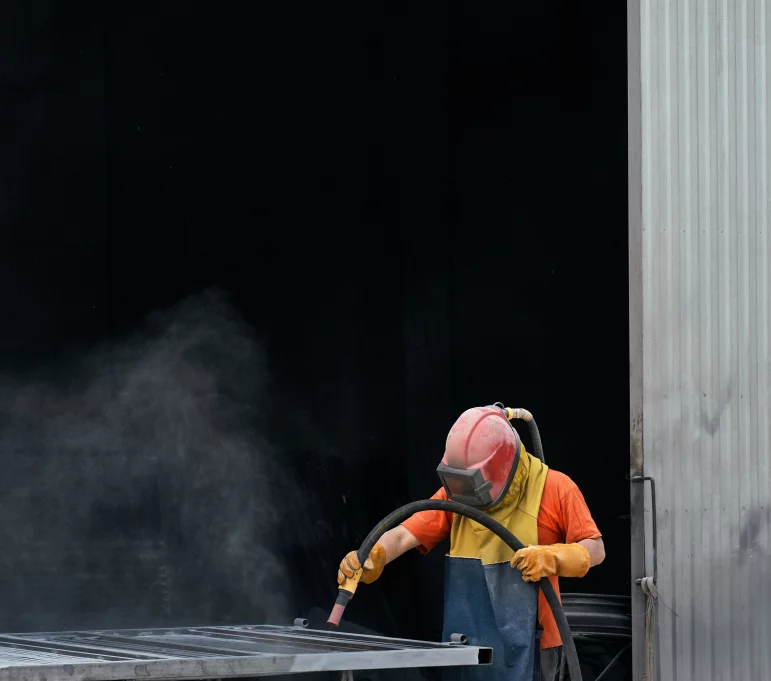
Booster 40 bar price enquiries in Sri Lanka
Request a booster 40 bar proposal using both the incoming air supply and the downstream requirement. Send Vortex Axion the available inlet pressure and flow, required outlet conditions and operating hours. Ask for the exact MAC3 model and the basis used for selection.
Compare the booster, identified filters, controls, cooling arrangement and installation work separately. Ask whether electrical connection, piping, transport and commissioning are included. A machine-only price is not the same scope as an assessed high-pressure installation.
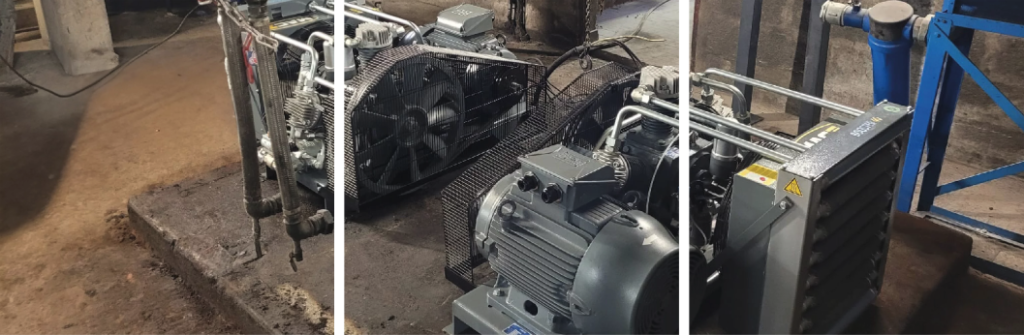
Confirm availability, lead time, taxes, warranty conditions and payment terms in the offer. Manufacturer images are range references rather than proof of local stock or approval for your actual duty.
MAC3 booster 40 bar manufacturer reference
MAC3’s manufacturer booster page describes the family as increasing incoming compressed-air pressure from a stated 7–13 bar supply, with output up to 40 bar. Confirm the selected model’s conditions and operating range in current documentation.
A booster 40 bar enquiry differs from selecting a compressor drawing air directly from the atmosphere. The upstream supply is part of the duty and must be identified before the complete arrangement can be assessed.
Ask the quotation to identify the actual model, supplied motor and control configuration. A pressure headline or range photograph is not sufficient to establish capacity, compatibility or permitted operation.
Inlet supply for a booster 40 bar enquiry
Provide the upstream compressor data, working pressure, delivered airflow and existing treatment arrangement. Include other equipment that shares the supply and describe simultaneous demand.
Ask which inlet values were measured and which are assumptions. If available supply changes between operating periods, describe that variation rather than reporting only a peak value.
The booster 40 bar proposal should explain the inlet duty used for its rating. Do not assume a machine selected at one incoming pressure has the same output under different inlet conditions.
Outlet pressure and useful flow
State the downstream equipment’s required pressure and airflow together. Include normal demand, peaks and the duration of operation. Ask the offered machine’s rating basis to be clearly defined.
Compare equivalent flow definitions and conditions across proposals. A compressor catalogue figure, an intake value and a booster delivery figure should not be treated as interchangeable without clarification.
For a booster 40 bar selection, keep the required operating point separate from the family’s maximum-pressure description. Ask the supplier to explain why the selected model fits the intended duty.
Working hours and demand pattern
Describe the downstream process in terms of its operating cycle, simultaneous loads and periods of reduced demand. Include production shifts and any restriction on stopping the process.
Ask the machine’s documented operating duty to be reviewed against that schedule. A general industrial-use description does not establish suitability for every continuous or intermittent task.
Record the booster 40 bar selection assumptions with the offer. Future changes to flow, inlet pressure or operating hours can then be reviewed against the original basis.
Upstream treatment and the complete air specification
State the required air quality and provide the existing dryer, filter and drain information. Ask the proposal to explain the treatment arrangement for both the incoming supply and the downstream requirement.
An included filter or aftercooler should not be interpreted as a universal guarantee of process-specific air quality. Request the relevant model data and identify any further treatment or verification scope.
Use the air treatment guide for related enquiries. The booster 40 bar selection and its treatment requirements should be coordinated for the actual installation.
Electrical supply and motor configuration
Provide available electrical supply details and any site restrictions. Ask for the selected booster model’s motor data and relevant connection information before electrical work is planned.
MAC3’s family reference identifies motor and electrical-panel components. Confirm which version is supplied rather than assuming every named manufacturer or option applies to the offered machine.
Have the responsible electrical contractor review the actual documents and agree installation boundaries. Keep the motor and model identity with the handover record for later support.
Controls and multiple-machine arrangements
Ask which controls, protective functions and monitoring information are included in the booster 40 bar offer. Request the relevant operating instructions and the exact supplied configuration.
If several boosters or compressors are involved, describe the complete proposed arrangement and ask the supplier to identify the control scope. A family reference to sequencing capability does not establish that a coordinated installation has already been designed for your site.
Confirm any separate controller, instrument or accessory in writing. Equipment features should be distinguished from commissioning, specialist testing or a reporting service.
Cooling and component information
Review the supplied cooling and component documents for the actual machine. Ask the quotation to identify included equipment and its role in the proposed duty.
Keep operating limits and maintenance requirements together during assessment. Materials or component descriptions should not be converted into unverified efficiency savings or unlimited service-life claims.
Request the relevant part identifiers for support. A booster 40 bar component enquiry needs the actual machine identity, not only a photograph of a similar family model.
High-pressure installation scope
Have the responsible technical team review the complete downstream arrangement for the intended pressure duty. Ask the proposal to identify applicable equipment limits, documents, connection responsibilities and commissioning requirements.
Do not assume existing piping, storage or accessories are appropriate merely because they have been used with a lower-pressure supply. Their suitability must be assessed for the actual proposed system.
This booster 40 bar guide organises a purchasing enquiry; it does not approve an installation or replace model instructions and a competent project assessment.
Storage and distribution in a booster project
Describe any existing or proposed storage and the downstream distribution route. Provide available documents and drawings so the relevant equipment can be identified.
Ask the supplier and responsible site team to explain the role of storage and the assessed duty. A vessel-volume label alone does not confirm that the pressure and flow requirement will be met.
Use the receiver guide for a related enquiry, while confirming the specific pressure-system requirements for your booster 40 bar project separately.
Room layout, access and handling
Request dimensions, mass and service-clearance information for the selected model. Provide a plant-room sketch with access routes, existing equipment and the intended position.
Check unloading and positioning arrangements before dispatch. Tell the supplier about restricted entrances, raised locations or limits on handling equipment.
Ask the final drawing to identify the booster 40 bar machine, relevant utilities and service access. A catalogue image is not a project-specific installation arrangement.
Operating-cost estimates
Ask an estimate to state the operating schedule, inlet conditions, required output and comparison equipment. Clarify whether the calculation covers only the booster or relevant upstream compressor operation as well.
Provide actual production information where available and identify assumptions. Compare equivalent complete duties rather than an unexplained efficiency slogan.
Treat the result as conditional on its stated basis. If measured verification is required, agree that scope separately through a system-review enquiry such as the energy audit page.
Maintenance and booster 40 bar support
Request the operating instructions, service schedule and identified consumables for the supplied model. Confirm which information is needed for component enquiries and how support is arranged.
Discuss shutdown windows, site access and local service scope before commissioning. Parts availability and attendance must be confirmed for the actual request.
Keep model and serial photographs with running hours, observations and service records. Use the compressor services page to organise maintenance, assessment and parts enquiries.
Replacing an existing booster
Explain why replacement is being considered: condition, a changed inlet supply, a new outlet requirement or greater demand. Send the installed unit’s identity and available history.
Ask the booster 40 bar proposal to be assessed against the current duty, including the upstream supply and downstream arrangement. Do not assume a familiar pressure label makes two machines equivalent.
Confirm what will be retained or replaced and identify removal, connection and commissioning responsibilities. Keep current drawings and the equipment schedule with the approved offer.
Production-line enquiry example
A production process needing higher pressure should provide its required output conditions and the air available from the existing network. Include the operating cycle and any simultaneous loads sharing that supply.
Ask the selected booster 40 bar model to be assessed at those inlet and outlet conditions. Where the information is incomplete, identify what must be measured or confirmed before the choice becomes final.
Agree representative commissioning observations and any process-specific evidence with the responsible team. Keep supplied equipment and verified results distinct in the handover record.
Comparing alternative booster 40 bar proposals
Use a single approved requirement sheet for the comparison. Check model output, inlet basis, electrical version, controls, cooling, treatment and installation scope.
Ask suppliers to clarify differences in rating definitions, included items and support boundaries before comparing totals. A cheaper cabinet may describe less work or a different duty.
Retain any revision after a site review with the final proposal. The people receiving and connecting equipment should use the current scope rather than an earlier catalogue selection.
Free site inspection for a booster 40 bar enquiry
Ask Vortex Axion about a free site inspection in Sri Lanka. Provide the location, contact person, operating hours and the proposed duty.
Prepare the upstream compressor information, downstream requirement, available readings and a room sketch. Explain access restrictions and whether production can stop for observations.
Confirm appointment availability and the preliminary scope. Detailed engineering, formal examination and testing may require separate proposals.
Delivery and handover documents
Before dispatch, check the exact model and configuration against the accepted booster 40 bar offer. Confirm drawings, operating instructions and relevant accessory documents.
Agree unloading, positioning, electrical work and piping responsibilities. Where commissioning is included, identify the conditions, attendance and record to be provided.
Keep equipment identity, approved duty, service contact and outstanding items together. Future changes or support requests can then use accurate information about the actual installation.
Recording inlet and outlet assumptions
Keep the inlet supply information beside the downstream requirement in the purchasing record. Identify the pressure and flow values used for model selection and the operating periods they represent.
If the upstream network changes, review those assumptions before treating the existing booster 40 bar selection as unchanged. A different compressor arrangement or shared demand may require further assessment.
Ask the final proposal to record uncertain information and how it will be resolved. This is clearer than leaving an unverified operating condition implicit in the equipment order.
Planning future expansion
Describe a proposed new downstream load separately from the existing process. Provide its pressure, flow and operating pattern and identify which loads may run together.
Ask whether the selected booster 40 bar arrangement includes that duty or whether it remains a future decision. Keep any allowance and its basis explicit.
Record revised drawings and model assumptions when changes are agreed. Future installation and maintenance work should refer to the current arrangement.
Booster 40 bar questions
Can the booster be selected without inlet information? Provide the incoming supply and downstream duty so the complete operating point can be assessed.
Does a maximum-pressure label establish delivered flow? No. Ask for model output at the required inlet and outlet conditions.
Are existing downstream components suitable? Have the actual equipment and documents reviewed for the proposed pressure duty.
Are controls and treatment included? Confirm their identities and functions in the offer.
Does this page approve the installation? No. It is an enquiry guide; the actual project requires appropriate technical review.
Coordinating the booster 40 bar project review
Identify the people responsible for the upstream supply, downstream process, electrical work and pressure-system assessment. Give them the same requirement sheet and model documents so the offered arrangement is reviewed against one set of operating conditions.
Record the boundaries of each contractor’s work and resolve outstanding compatibility questions before ordering. If inlet supply or process demand changes, ask the proposal to be updated rather than relying on an earlier equipment selection.
Keep the approved drawing, model identity and commissioning scope together for delivery and handover. Later support enquiries can then describe the actual installation and distinguish a new operating requirement from the duty originally assessed.
Identifying each supplied machine
If a quotation covers more than one production line, identify the inlet supply and downstream duty for each line separately. Ask which equipment and controls are shared and which are dedicated to an individual process. Retain the assessed arrangement with the final offer so the installation and maintenance teams can distinguish a common utility connection from the operating requirement of each supplied machine.
Contact Vortex Axion for booster 40 bar guidance
Discuss a booster 40 bar enquiry with Vortex Axion (Pvt) Ltd in Sri Lanka. Send inlet supply, outlet duty, operating hours and site details, then request an identified MAC3 proposal.
Call 0777 123 263 or 0117 101818. Our address is 31, 1st Lane, Medawelikada Road, Rajagiriya, Sri Lanka. Use the contact page and ask about a free site inspection.
Confirm the offered configuration, availability and assessed installation scope before purchase.