
Compressed-Air Energy Audit in Sri Lanka
Define the review before estimating savings
Compressed-air energy audit enquiries in Sri Lanka: Contact Vortex Axion with your equipment register, production timetable and the issue you want to review. Define the machines, treatment equipment and operating periods within the proposed assessment. Ask for the measurement plan, site-access requirements and report deliverables before work is agreed.
An energy audit should distinguish measured records from estimates and identify the conditions represented by its findings. MAC3 AuditAir is presented here as manufacturer measurement and analysis technology. The actual equipment availability, selected instruments and reporting scope for your site must be confirmed in the proposal.
A free site inspection can support preparation of the enquiry, but it should not be assumed to include a complete instrumented assessment. Any saving estimate should follow a stated baseline and calculation assumptions. This page does not promise a universal percentage saving, automatic equipment replacement or a fixed assessment price.

On this page
ToggleEnergy audit measurement and report scope
Review the actual operating conditions
Define the energy audit measurement scope around the factory’s actual question. Identify the operating periods, machines and process conditions the review needs to describe. Ask the proposal to state which records are collected, where observations are made and which conclusions can be supported by that information.
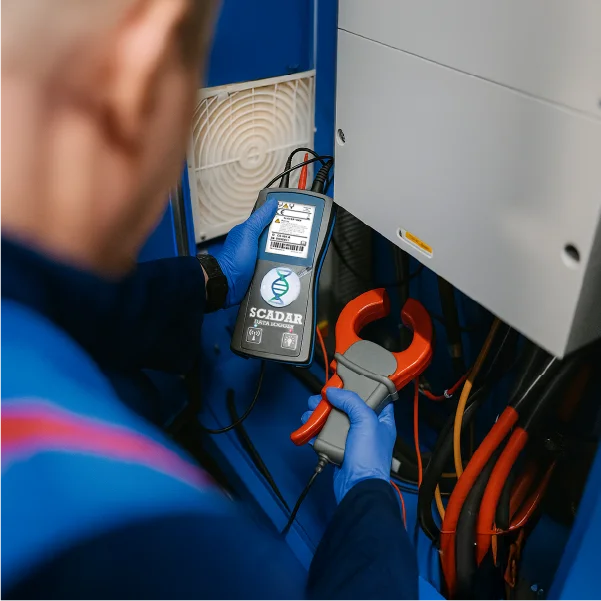
For MAC3 AuditAir enquiries, confirm the proposed instruments and configuration rather than assume every manufacturer feature is supplied for the site. Ask the responsible team to identify access, installation and measurement responsibilities. The assessment should state its boundary and any unavailable data clearly.
Keep the production timetable and equipment changes with the observations. If the available information does not cover a required operating condition, distinguish that gap from a measured finding. A report should identify assumptions and further work needed before the factory evaluates a proposed system change.
Our Commitment to You
Discuss an energy audit enquiry with Vortex Axion in Sri Lanka. Send the equipment register, operating schedule and review objective. Call 0777 123 263 or 0117 101818 to request the proposed measurement and report scope.
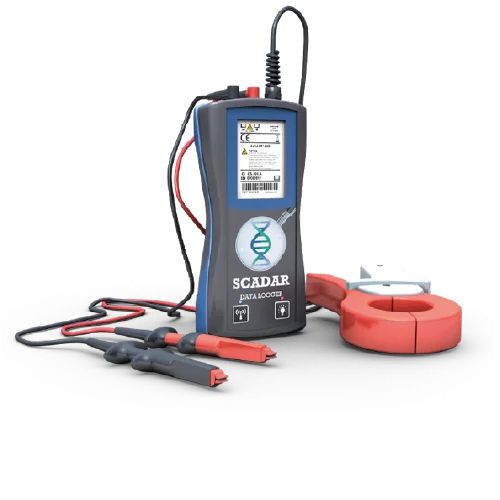
MAC3 AuditAir measurement enquiry
Ask the energy audit offer to identify the actual measurement equipment and the role of each instrument. Relevant questions may concern pressure, electrical consumption, airflow, temperature or other parameters within the agreed review. Their inclusion, range and measurement arrangement should be confirmed in the proposal.
- Which machines and operating periods are assessed?
- Where are the relevant observations taken?
- What data is recorded and what remains estimated?
- Who installs, supervises and removes the equipment?
- Which report and follow-up activities are included?
Manufacturer package information does not establish Vortex Axion’s local inventory or the exact configuration available for an individual Sri Lanka enquiry.
Energy audit data and reporting
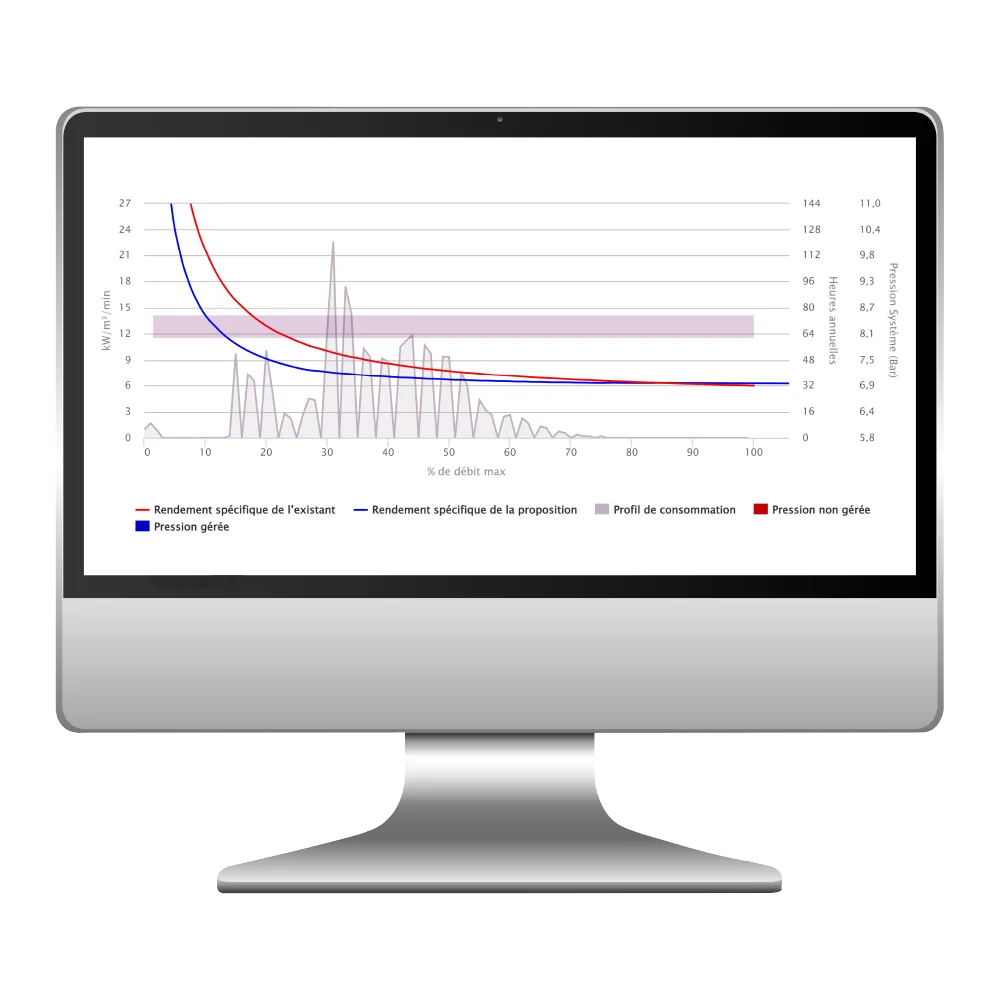
Agree on the data-review and reporting scope before the assessment starts. Ask the report to identify measurement boundaries, represented production conditions, findings, assumptions and proposed next steps. Any manufacturer software or platform arrangement should be confirmed as part of the actual offer.
For the energy audit, clarify who receives the results and reviews recommendations with the factory team. Do not assume every advertised platform feature or automatic report is included. The useful deliverable is a traceable assessment of the agreed installation and question, with information gaps and further work clearly stated.
Reviewing an energy audit proposal
Review an energy audit proposal on the quality of its scope and how its findings can support a factory decision. Ask for recommendations to be tied to the available records and actual process requirements. A control change, service enquiry, repair or equipment replacement needs its own explanation and work scope.
Retain the original baseline when reviewing a later change. Compare relevant operating conditions and identify differences in production or included equipment. An estimate should remain labelled as an estimate, and an observed result should state what was actually measured.
Our Commitment to You
Request a written energy audit proposal stating the assessment boundary, deliverables, access requirements and commercial terms. Call 0777 123 263 to arrange a free initial site inspection and discuss the work needed for your installation.
Energy audit scope for a compressed-air installation
Start an energy audit enquiry by defining the question the factory wants to answer. It may concern electricity use, recurring pressure complaints, low-demand operation or a proposed equipment change. These are different review goals. Tell Vortex Axion which outcome matters and identify the machines, treatment equipment and production areas included in the enquiry.
Keep the measurement scope and deliverables clear before work is ordered. Ask what observations, records and equipment are proposed, what access is needed and what report will be supplied. An initial site inspection is not the same as a complete instrumented assessment. The offer should distinguish those activities and identify information still needed to finalise the work.
For an energy audit, nominate site contacts for production, maintenance and utilities. Ask them to confirm the relevant operating timetable and restrictions on measurement work. The review should use a common application brief so the technical team understands which conditions are representative and which belong to an unusual production period.
Energy audit equipment register and existing records
Prepare a register of the compressors and relevant supporting equipment. Include model details, operating roles, usual settings and available performance documents. Identify which machines run together, which serve particular areas and which are intended as standby units. Missing information should be labelled rather than replaced with a figure from a similar catalogue model.
The energy audit brief should include the production schedule and any existing operating records. Note their dates, measurement locations and conditions. If electricity records cover more than the compressor system, identify that boundary. A whole-factory consumption total should not be presented as a measured compressor-only value without the relevant review.
Record changes that occurred during the period being assessed, such as different shifts, added equipment or maintenance work. This context helps the technical team interpret observations. Keep estimated inputs separate from measured records and give the report reviewer enough information to understand what the baseline actually represents.
Energy audit measurement plan and operating periods
Ask the proposal to identify the intended measurements, instruments and review period. Describe normal production, reduced operation, peaks and shutdowns so the technical team can decide which observations are needed. Measurement work should follow the site’s procedures and be completed by appropriately qualified personnel within their responsibilities.
For an energy audit, identify where relevant readings will be taken and which machines or users they describe. Ask how recorded data will be associated with the production timetable. A short observation during a quiet shift may not describe the duty of a plant with changing production. The report should state the conditions represented by its measurements.
Agree how unavailable or incomplete data is handled. If a required observation cannot be taken, the report should distinguish that gap from a measured finding. Do not turn an assumption into a confirmed result. The approving team should know which conclusions follow from the available records and which require additional work.
Energy audit pressure and demand review
Describe recurring pressure complaints with the affected equipment, date and operating conditions. Provide relevant tool or process requirements where available. The review should consider the actual supply and distribution arrangement before recommending an equipment change. A complaint at one production point is not a complete measurement of the entire compressor system.
For the energy audit, ask how the proposed observations distinguish the machine operating conditions from the requirements at the point of use. Identify relevant existing piping, treatment and controls within the agreed scope. Keep the assessment tied to the actual application rather than treating a higher pressure setting or a larger compressor as a universal answer.
If demand is estimated, retain the source and assumptions used. Ask the report to separate normal production, simultaneous peaks and lower-demand periods where they affect the decision. A clear duty profile provides a better basis for reviewing equipment roles than nominal motor ratings alone.
Energy audit compressor controls and group operation
Identify how each machine is started, stopped and supervised. Ask which machines provide the main supply and which respond to demand changes. Include relevant controllers and interfaces in the equipment register. The technical team should review the actual operating arrangement rather than assume independent settings produce coordinated group operation.
An energy audit can inform a discussion of different equipment roles or control options, but the proposed change should be supported by the findings and model documents. Ask the report to explain the conditions under which an alternative is expected to help. Do not treat a control-technology label as a guaranteed saving for every site.
Before changing settings or equipment roles, have the responsible team review the process requirements and continuity needs. Keep approved changes recorded with the system baseline. The factory should know which recommendation has been assessed, who implements it and how its outcome will be checked.
Energy audit air treatment and supporting equipment
Identify dryers, filters, receivers and any relevant auxiliary equipment within the agreed review boundary. Describe the process air-quality requirement and any recurring treatment issue. A compressor-only observation may leave supporting equipment or distribution questions outside its scope. Ask the proposal and report to make those boundaries clear.
For an energy audit, keep the treatment requirement separate from a proposed operating-cost change. Any recommendation affecting pressure, equipment availability or a bypass needs review against the process specification. Lower measured consumption does not by itself confirm that the revised installation still meets every required supply condition.
Where replacement or reuse of treatment equipment is proposed, request the actual model information and application assessment. The report should identify the evidence supporting the recommendation and any design work still needed. See the refrigeration dryer guide for preparation of a treatment enquiry.
Energy audit report and recommendation priorities
Agree on the report deliverables before the assessment begins. Ask for the measurement boundary, represented operating periods, findings and assumptions to be stated. The reviewing team should be able to trace a recommendation back to the relevant records. A report should not present an estimated opportunity as a measured outcome.
For the energy audit, ask recommendations to be separated by the decision or work required. An operating review, repair enquiry, control change and equipment replacement are different actions. Identify which need further model information, engineering assessment or a separate quotation. This makes the findings easier for production, maintenance and purchasing to evaluate.
Keep unresolved questions and data gaps visible. If the report proposes more measurements or a specialist review, identify the required scope and responsible party. The factory should understand what can be concluded from the completed work and what remains provisional before approving a purchase or system change.
Energy audit savings estimates and comparison boundary
Request any operating-cost estimate together with the actual inputs and assumptions used. Identify production hours, electricity-price basis, included equipment and the proposed duty. Keep measured records separate from estimates. A motor rating alone does not provide a complete electricity-consumption forecast, and a general saving percentage does not establish the outcome for the site.
The energy audit report should explain whether it describes a current measured baseline, an estimated alternative or a comparison after a change. Use equivalent boundaries and representative production conditions where comparisons are made. If the production programme differs, retain that context so the approving team does not attribute every change in consumption to the equipment alone.
Discuss uncertainty and information gaps in the comparison rather than hiding them in a single headline. Have implementation work and its quotation reviewed separately from the estimated opportunity. The factory should be able to understand why the recommendation is proposed and what observations would help check its result.
Energy audit implementation and follow-up records
Assign owners to accepted recommendations and state what work each party undertakes. Where a change affects electrical, control or installation requirements, have the relevant qualified professionals assess and complete their scopes. An audit finding is not a replacement for the actual model instructions, approved project design or required service procedure.
For the energy audit follow-up, retain the original measurement brief and approved operating baseline. Record the date and scope of the implemented change and the production conditions afterwards. If further observations are planned, define what they will assess and who reviews them. This provides a traceable basis for checking the recommendation.
Keep the equipment schedule, report and relevant service or project documents together. See maintenance services, repair enquiries and engineering solutions when a finding leads to further work. Confirm each proposed scope in its own written offer.
Energy audit price and enquiry preparation
Request the energy audit price and proposed work scope in writing. Identify the site visit, records review, instrumentation, reporting and any follow-up included in the offer. Confirm applicable taxes, access requirements and payment terms. A free initial site inspection should not be assumed to include every measurement or report needed for a complete assessment.
Tell Vortex Axion the site location, equipment register, production programme and question being reviewed. Ask which measurements and documents are needed before the work can be specified. Availability, timing and the supplied assessment scope should be confirmed for the actual enquiry rather than inferred from a general description of manufacturer technology.
For manufacturer background, see MAC3 AuditAir. General compressed-air system resources are also available from the US Department of Energy. These sources do not establish Vortex Axion’s equipment inventory or the measurement and reporting scope supplied for an individual Sri Lanka site.
Energy audit enquiry approval and site coordination
Give the proposed assessment team the same dated brief used by the factory reviewers. Identify the people who can confirm production conditions and arrange the agreed access. Before work begins, resolve the measurement boundary, site procedures and report deliverables. An accepted commercial total should not leave those requirements unspecified.
For the energy audit, keep any change in the operating programme visible to the technical team. If representative production is delayed or a machine is unavailable, ask whether the measurement plan needs adjustment. The report should describe the conditions actually assessed rather than imply that an earlier planned schedule was observed.
Nominate the people who receive the findings and decide what further work to consider. Keep the report, equipment register and approved recommendations together. This makes it easier to track follow-up responsibilities and compare later observations without losing the original assessment context.
Energy audit questions before arranging work
Is a free site inspection a complete energy audit? Confirm the scope of the visit and any follow-up. An initial inspection can support preparation of an assessment enquiry, but instrumentation, analysis and reporting need a defined proposal. Ask the offer to distinguish included activities from work requiring a separate agreement.
Can savings be guaranteed before measurement? Ask for any estimate to be tied to a stated baseline, proposed change and calculation assumptions. This page does not promise a universal saving percentage. The factory should understand which inputs are measured and which are estimated before evaluating a recommendation.
What records should I prepare? Gather the machine register, operating schedule, usual settings, available performance documents and relevant consumption records. Include the dates and boundaries of recorded information. Identify recent production or equipment changes so the technical team can interpret observations in context.
Does an audit automatically mean replacing the compressor? Ask the report to explain the evidence supporting each proposed action. Findings may require further operating, service or engineering review before a purchase decision. A recommendation should remain connected to the actual application and the completed assessment scope.
Who approves changes after the review? Identify the authorised production, maintenance and engineering contacts. Work affecting the installation should be assessed and completed by the responsible qualified parties. Keep approved changes and follow-up observations with the original report so later reviews use the same equipment record.
Can MAC3 AuditAir be included? Discuss the proposed measurement equipment, availability and reporting arrangement with Vortex Axion. Manufacturer technology information is background, not proof that every sensor or platform feature is supplied for your site. Confirm the actual assessment configuration and deliverables in the written offer.
Request a free site inspection in Sri Lanka
Contact Vortex Axion to arrange a free site inspection and discuss the proposed equipment or service scope. Explain your site location, operating schedule and the decision you need to make. The follow-up should identify information still required before a quotation is finalised.
Vortex Axion (Pvt) Ltd
31, 1st Lane, Medawelikada Road, Rajagiriya, Sri Lanka.
Call 0777 123 263 or 0117 101818. Send your enquiry with equipment details and a description of the application. Confirm availability, project responsibilities and commercial terms in the written offer.