
Two Stage Pistons: Air Compressors in Sri Lanka
Compare MAC3 MSPC T two-stage piston compressors for your workshop or production task in Sri Lanka. Identify the required pressure and simultaneous tool demand, then check the individual model’s rated delivery, receiver arrangement and electrical supply. Review the technical data below and describe your daily operating hours when requesting a proposal.
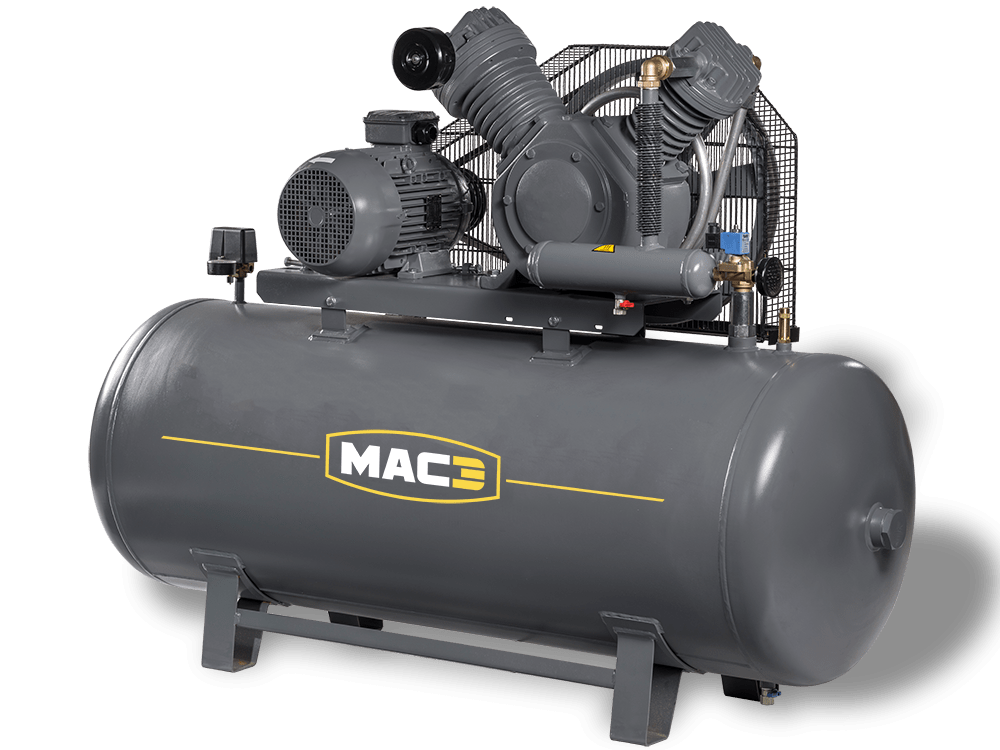
MAC3 MSPC T Two Stage Pistons Range
Our Commitment to You
Request Two Stage Pistons details for your Sri Lanka application from Vortex Axion in Rajagiriya. Include the required flow and pressure, operating hours and site location. Call 0777 123 263 or 0117 101 818 to confirm the configuration, availability and quotation.
On this page
ToggleHIGHLIGHTS
Two Stage Pistons Output and Pressure
Compare the selected two stage pistons model using its delivered-air rating at the required pressure and the applicable operating duty. Ask the supplier to define the rating basis before using a power or airflow figure in a comparison.
Cooling and Service Clearance
For Two Stage Pistons, assess the listed cooling arrangement against inlet and ambient conditions. Provide ventilation and service clearances from the model documentation, and include drains or separators where specified.
Automatic Start/Stop Control
For Two Stage Pistons, review the fitted controller, alarm functions and operating instructions. Confirm which start/stop, monitoring and maintenance-notification features are included in the quoted version.
Robust Cast Iron Construction
For Two Stage Pistons, review the listed cylinder, crankshaft, valve or piston construction together with the maintenance schedule for the selected version. Component materials are part of the specification; service life also depends on operating duty and upkeep.
Operating Speed and Duty
For Two Stage Pistons, compare the air-end and drive specification with rated airflow at the required pressure. Review the operating-speed range and maintenance requirements for the selected model before assessing performance or running costs.
Component and Parts Identification
Confirm component information and relevant parts identifiers for the exact supplied model. Keep the model and serial details with the instructions, and ask for compatibility confirmation before ordering replacements for two stage pistons.
FIELDS OF APPLICATION

Two stage pistons price enquiries in Sri Lanka
Request two stage pistons for your compressor enquiry using a defined pressure and airflow requirement. Send Vortex Axion the tool or process specifications, normal operating hours and simultaneous demand. Ask the quotation to identify the actual MAC3 MSPC T model and receiver configuration.
Compare the machine, accessories, transport and installation responsibilities separately. Confirm electrical work, piping, treatment and commissioning scope before ordering. A base equipment price may not describe the same project as a fully connected workshop offer.
Availability, taxes, delivery dates, warranty conditions and payment terms must be confirmed in writing. Manufacturer photographs are range references rather than proof of local stock for every machine version.
MAC3 MSPC T two stage pistons reference
MAC3 identifies the MSPC T family as two-stage piston compressors in its MSPC manufacturer overview. Request current documents for the exact offered model and use them to assess your required pressure and operating duty.
Two stage pistons should be selected for an identified task rather than treated as a universal upgrade over another technology. Ask the supplier to explain why the proposed machine fits the tools, process and working schedule.
Keep motor supply, delivered-air rating, controls and storage clear in the equipment schedule. A stage name or a familiar cabinet cannot establish those details for the actual order.
Pressure duty and two stage pistons selection
State the pressure needed at each connected machine and identify which processes operate together. Include the required conditions at the point of use and available observations during normal and busy operation.
Ask the proposal to use the selected model’s documented pressure range and operating limits. The family reference is not approval to run another machine at an unassessed pressure.
If the present system has a pressure problem, describe the symptom and relevant tool combination. Request an assessment of supply, storage and distribution instead of assuming that a stage change alone will resolve it.
Delivered airflow at the required pressure
Request the airflow rating and its basis for the actual machine. Distinguish delivered air from intake or displacement figures and compare equivalent rating definitions across suppliers.
Provide the tool requirement in its original units, with the operating pressure alongside it. Ask the supplier to use consistent units and conditions in the comparison.
The motor power of two stage pistons does not by itself establish useful delivery. Keep the exact model’s output information with the quotation rather than borrowing a figure from another compressor in the same power class.
Operating pattern and permitted duty
Describe the daily work in terms of tool cycles, simultaneous demand and sustained processes. Identify busy periods and pauses rather than only an average number of hours.
Ask the manufacturer’s operating-duty information for the offered model to be reviewed against that schedule. A general industrial description is not a substitute for the applicable limits.
Separate confirmed current work from planned additions. The two stage pistons proposal should explain which duty determines selection and what future change would require another review.
Motor and electrical configuration
Send the available electrical supply information and site restrictions with the enquiry. Ask for the exact offered model’s motor and connection data before installation work is planned.
Have the responsible electrical contractor assess the actual machine documents. Confirm who provides connection work and coordinates it with delivery and commissioning.
Record the supplied motor version and equipment identity at handover. Those details make later two stage pistons service and component enquiries more accurate.
Receiver arrangement and controls
Ask which receiver and control arrangement are supplied with the selected machine. Confirm the relevant documents, dimensions and included accessories rather than treating the range image as the equipment schedule.
Discuss storage in the context of demand and compressor operation. A receiver-volume label does not establish the machine’s output or solve every pressure issue.
Use our receiver tank guide where storage is part of the proposal. Identify connection, drainage and commissioning responsibilities before ordering.
Cooling, clearance and the workshop layout
Provide a room sketch with access routes and nearby equipment. Ask for the offered model’s drawing, mass and service-clearance instructions and check the delivery route as well as the final footprint.
Review the cooling arrangement using the selected machine’s documents. Tell the supplier about restricted ventilation, hot rooms or conditions that vary between shifts.
Two stage pistons require an installation assessed for the actual machine and duty. A compact-looking photograph is not enough to confirm that maintenance access and operating requirements are met.
Automatic control and included features
Ask which start/stop, monitoring and protective functions are supplied on the actual compressor. A feature mentioned in family material should be checked against the equipment schedule.
Request the relevant control instructions and information the plant team needs at handover. Identify any separate accessory or configuration option explicitly in the quotation.
Keep included equipment distinct from process acceptance work. A controller feature does not establish that a complete air system meets a specialised requirement without the appropriate assessment.
Component construction and maintenance information
Review materials, valves, cylinders and the drive arrangement in the actual model documentation. MAC3 describes component features for its MSPC family, but service-life expectations also depend on the identified duty and maintenance.
Ask which parts identifiers and consumables apply to the supplied two stage pistons machine. Keep model and serial details with the documents for later support.
Do not assume that a component from a similar machine fits every version. Provide the existing part number and photographs when requesting replacement information.
Air treatment for two stage pistons
State the connected equipment’s air-quality requirement. Ask whether drying, filtration and condensate handling are needed with the proposed compressor and identify any existing treatment arrangement.
Confirm which components are retained or changed and how their suitability is assessed. A receiver or a well-known brand name is not proof of process-specific air quality.
Review the air treatment guide for related enquiries. Where verification is required, agree the specification and reporting responsibilities with the responsible technical team.
Low-noise enquiries for two stage pistons
Explain any noise-related site or client requirement when requesting two stage pistons. Ask for model-specific declared information and the conditions under which it was measured.
Compare noise figures on a common basis and identify available options separately from the standard machine. A low-noise description is not a claim of silent operation or approval for every location.
Confirm dimensions, service access and option availability before ordering. Keep the noise requirement alongside pressure, airflow and duty in the purchasing record.
Operating-cost comparisons
Request an estimate using your working schedule and an identified comparison machine. Ask which electricity, consumable and maintenance assumptions are included.
Compare two stage pistons with suitable alternatives at the same required pressure, airflow and installation scope. An unexplained efficiency claim is not a quantified site-specific result.
Treat the estimate as conditional on its assumptions. If measured verification is required, agree that work separately rather than treating a preliminary equipment enquiry as a completed energy study.
Maintenance and local support enquiries
Request the operating instructions, service schedule and identified consumables for the exact model. Discuss the working hours, available shutdown and access restrictions.
Confirm included support and the local contact. Parts availability and attendance need to be agreed for the actual request rather than assumed from a broad warranty label.
Keep running hours and service records with the machine documents. Use our maintenance page when preparing a more detailed two stage pistons service enquiry.
Replacement and changed production requirements
Explain whether replacement concerns machine condition, greater demand or a different pressure duty. Send the current equipment identity and available history.
Ask the proposed two stage pistons to be assessed against the present requirement. Confirm any changes to supply, receiver, treatment and connections in the scope.
Identify removal, transport, positioning and commissioning responsibilities. The contractors preparing work should use the current drawing and equipment schedule rather than an older family image.
Two stage pistons versus other compressor options
Use a common requirement sheet when comparing another piston family or a screw machine. Ask the supplier to explain the relevance of each identified option instead of declaring one technology universally superior.
Review the single-stage piston guide and screw compressor guides where they are relevant to the duty.
Compare model output, pressure, permitted operating duty and installed scope. Matching horsepower or a similar price does not establish that two machines provide the same service to the process.
Higher-pressure workshop enquiry example
A workshop with a machine requiring a defined pressure should provide the equipment specification and the other tools using air at the same time. Include normal hours, demand peaks and the location of the intended compressor.
Ask the two stage pistons selection to identify the proposed operating point and duty information. Where data are missing, establish what must be measured or confirmed before a recommendation becomes final.
Agree any representative checks and the handover record before delivery. Keep the accepted scope and observed result distinct from an unverified general performance claim.
Free site inspection for two stage pistons
Ask Vortex Axion about a free site inspection in Sri Lanka. Provide the location, contact person, operating schedule and the requirement you want reviewed.
Prepare the tool information, nameplate photographs and a workshop sketch. Tell the team about access controls and any restriction on stopping production.
Confirm appointment availability and the preliminary scope. Detailed measurement, specialist examination and formal testing may need separate proposals.
Two stage pistons quotation and handover checks
Compare offers using one approved requirement sheet. Check the selected model, delivered-air basis, pressure limits, motor version, receiver, accessories and work boundaries.
Before dispatch, confirm drawings and instructions and identify delivery, unloading and connection responsibilities. Ask commissioning activities to be stated in the offer where they are included.
Keep equipment identity, service contact and the agreed duty with the handover record. Later two stage pistons enquiries can refer to the actual supplied machine and any documented changes.
Planning a future change in duty
When adding another tool or extending operating hours, record the new requirement separately from the original selection. Ask whether the supplied machine and treatment arrangement need review.
Keep revised drawings, equipment schedules and maintenance information together. An unchanged cabinet appearance does not show whether the original operating assumptions still apply.
Ask the proposal to identify what is included for expansion and what remains a future decision. This is more useful than an unexplained statement that the machine has spare capacity.
Two stage pistons questions
Does the stage name establish the pressure rating? Confirm the exact model’s documented range and operating limits.
Can I compare intake and delivered-air figures directly? Ask the rating definitions to be resolved before comparing them.
Are controls and receiver arrangements identical across models? Confirm the supplied equipment schedule.
Does a low-noise claim mean silent operation? No. Request model-specific data and measurement conditions.
Are installation and treatment included? Ask the quotation to identify the complete scope.
Reviewing the two stage pistons requirement before order
Have the responsible workshop or production team confirm the requirement used for selection. Record which tools or processes operate together, which pressure is required and which demand information has been measured. Keep uncertain values explicit so they can be resolved before an equipment schedule is accepted.
When a supplier revises the proposed model, ask what changed in the assessment and which accessories or installation tasks are affected. A different receiver or electrical version should be visible in the revised scope rather than assumed from an unchanged product-family name.
Before ordering, check the final proposal against the approved requirement and retain the answers to outstanding questions. This gives purchasing and the installation team a consistent record of the actual two stage pistons equipment being supplied.
Two stage pistons records after commissioning
Ask the handover record to identify the machine, receiver and supplied accessories, together with the instructions applicable to that configuration. Keep any agreed observations and operating conditions with the equipment identity so later enquiries can refer to the installed system.
Separate completed activities from recommendations that require another decision. If a connection or process check remains outstanding, identify the responsible party and agreed next step. A general statement that equipment has been delivered is less useful than an identified record of the supplied scope.
Record later changes in tools, working hours or the treatment arrangement. Those changes can affect a future assessment even where the compressor cabinet remains the same. Keep the current drawing and requirement sheet available when requesting support.
Contact Vortex Axion for two stage pistons
Discuss two stage pistons with Vortex Axion (Pvt) Ltd in Sri Lanka. Provide your required airflow, pressure, working hours and site details, then request an identified MAC3 MSPC T proposal.
Call 0777 123 263 or 0117 101818. Our address is 31, 1st Lane, Medawelikada Road, Rajagiriya, Sri Lanka. Use the contact page and ask about a free site inspection.
Confirm the offered model, availability, accessories and installation responsibilities before purchase.