
External Regeneration Adsorption Dryer in Sri Lanka
OPTIMIZE YOUR AIR QUALITY WITH MAC3 ADSORPTION DRYERS
Discuss a MAC3 DBP external regeneration adsorption dryer for a Sri Lanka installation with a specified pressure dew point. Supply inlet airflow, pressure, temperature, the required air quality and available utilities. Ask Vortex Axion to identify the selected adsorption dryer model, regeneration basis and supplied filters in the quotation.
On this page
ToggleDBP EXTERNALLY REGENERATED ADSORPTION DRYERS
Our Commitment to You
Request an adsorption dryer proposal for your Sri Lanka application from Vortex Axion. Ask about a free site inspection. Call 0777 123 263 or 0117 101818 with your required flow, pressure, air quality and site location.
FEATURES
Reliable Performance in Demanding Conditions
MAC3 publishes a -40°C dew-point reference for the DBP adsorption dryer family, with maximum working pressure of 10 bar, ambient temperature of 40°C and inlet temperature of 45°C. Its family reference lists 400 V three-phase, 50 Hz supply, integrated dew-point control and a Siemens S7-1200 controller. Confirm the actual model, configuration and performance at your conditions; published maxima do not guarantee capacity at every combined duty.
Request the included filter schedule and relevant particle, water and oil data using appropriate units. Review service access, regeneration requirements and operating instructions for the offered equipment. Operating-cost, maintenance and service-life expectations require a stated project basis rather than an unconditional guarantee.
User-Friendly Operation and Maintenance
For External Regeneration Adsorption Dryer, review the fitted controller, alarm functions and operating instructions. Confirm which start/stop, monitoring and maintenance-notification features are included in the quoted version.
FIELDS OF APPLICATION
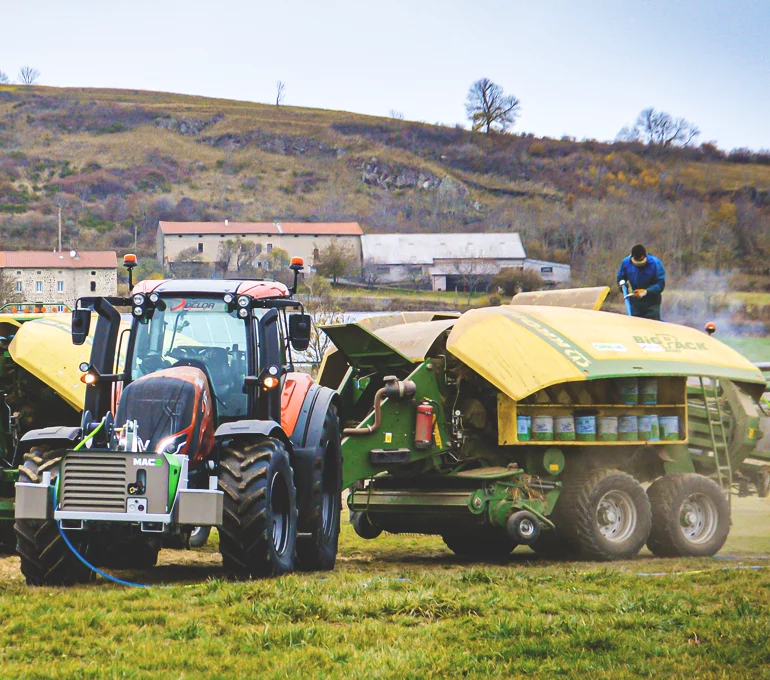
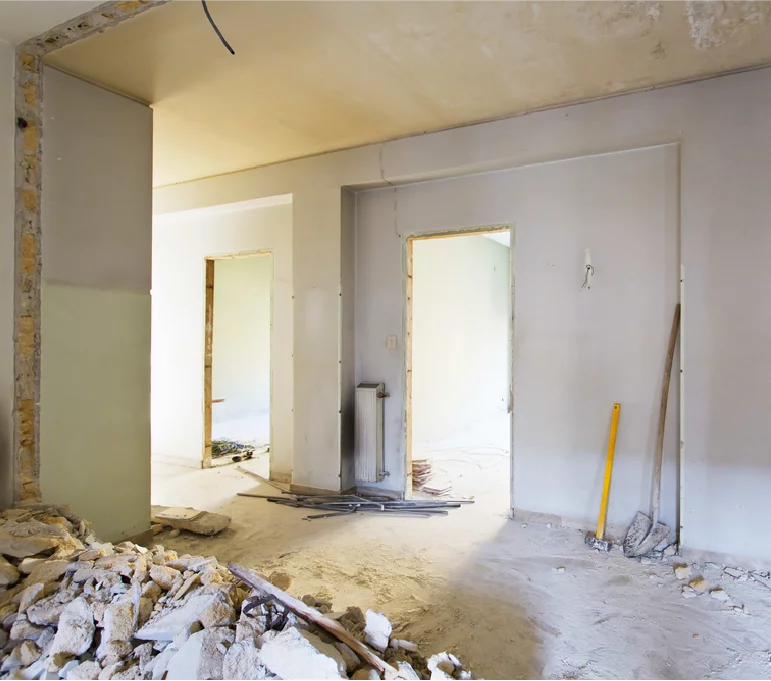
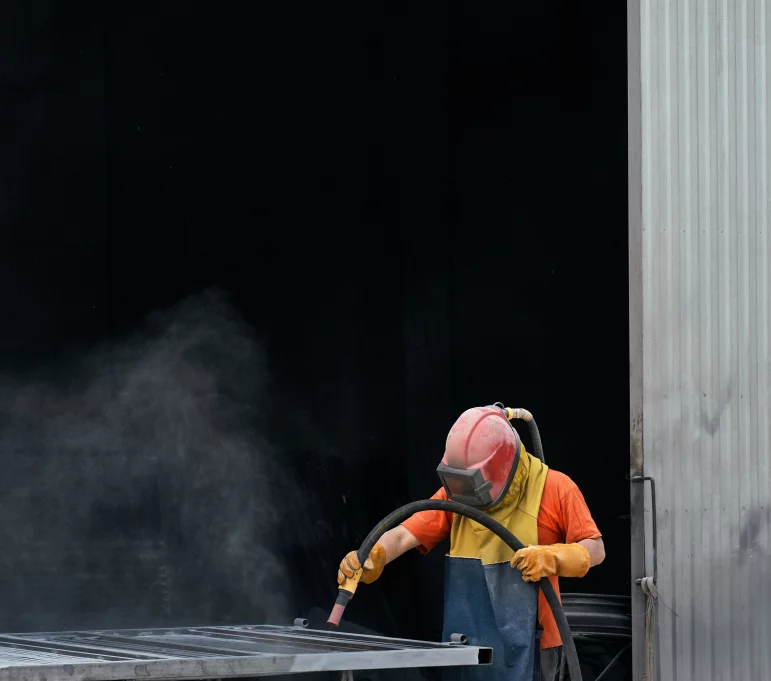

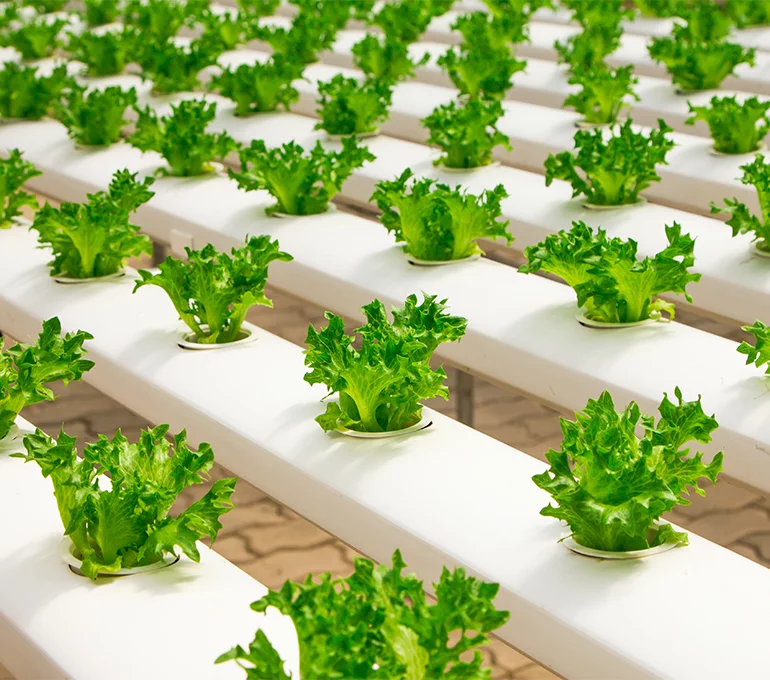
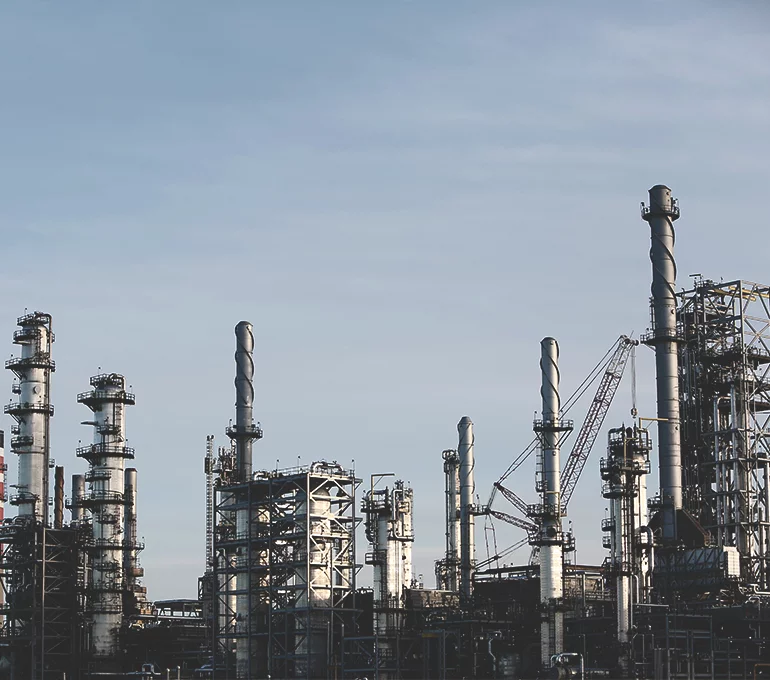
External regeneration adsorption dryer enquiries in Sri Lanka
Ask Vortex Axion for an external regeneration adsorption dryer quotation when that technology is being considered for your industrial air-treatment duty. Provide inlet airflow, pressure, temperature, the required pressure dew point and the production schedule. Request an identified MAC3 DBP model and the selection assumptions in writing.
Compare the complete scope, including the adsorption dryer, filters, controls, drains, connections and any installation work. Ask whether transport, positioning, electrical work and commissioning are included or separate. An equipment-only price should not be mistaken for a complete operational treatment package.
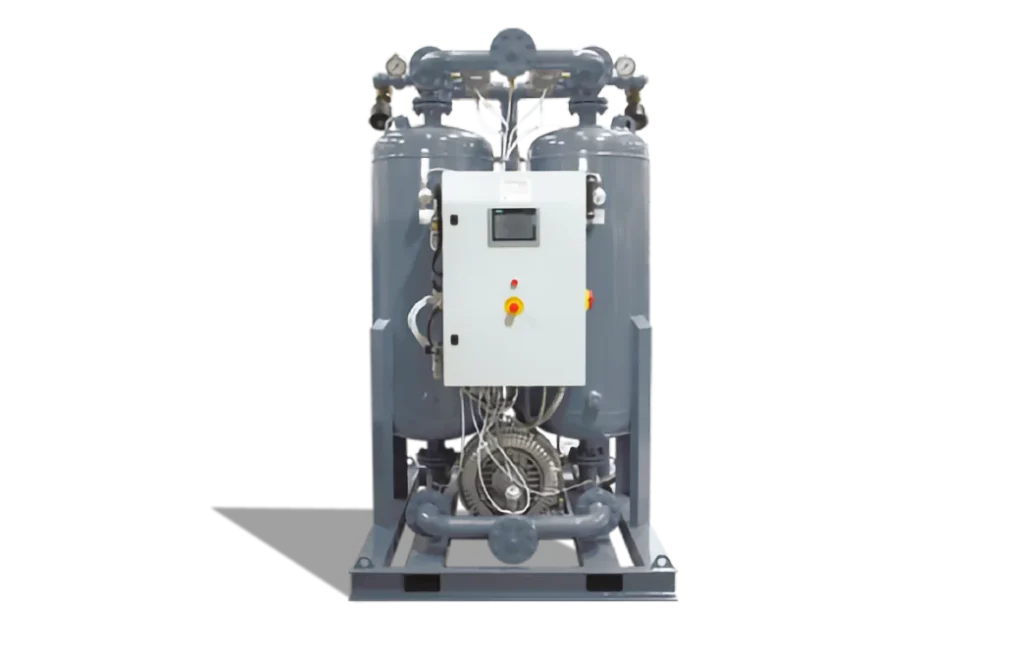
Confirm model availability, lead time, taxes, warranty conditions and payment terms before purchase. The photograph is a manufacturer reference rather than a stock promise. Have the actual equipment schedule reviewed against your requirement instead of ordering only from a family name or a cabinet image.
MAC3 DBP adsorption dryer manufacturer reference
MAC3 identifies the DBP family as adsorption dryers with external regeneration. Its manufacturer DBP page publishes a -40°C dew-point reference and model data. Ask for current documents for the selected machine and an explanation of its regeneration arrangement.
Have the supplier distinguish the proposed equipment’s technology, rated performance and supplied accessories. A family description does not show which options are included or establish that a particular model meets your existing process duty.
Keep the adsorption dryer reference connected to your approved specification. The useful proposal identifies the required result, the selected operating point and the installation boundaries. Where information remains uncertain, ask what must be confirmed before the equipment choice becomes final.
Why consider external regeneration for an adsorption dryer?
Discuss the proposed regeneration technology using your actual workload and available utilities. Ask why the selected DBP arrangement is appropriate compared with other suitable drying options. Avoid treating external regeneration as a universal recommendation for every air system.
Provide normal, minimum and peak demand, together with the hours of operation and any shutdown periods. Ask the proposal to identify the conditions used when comparing equipment and operating costs. An alternative selected for a different duty is not a fair price or performance comparison.
Request model-specific information about regeneration, electrical demand and any other identified utility requirement. The purchasing review should use the actual supplied arrangement rather than assumptions drawn from a general explanation of adsorption dryer technology.
Adsorption dryer pressure dew point and process quality
State the pressure dew point required by the process and identify where that requirement applies. Include the relevant equipment or quality specification and available operating records. Ask the supplier to confirm the proposed model’s performance at the expected inlet conditions.
The DBP family reference does not certify the air quality throughout an existing pipe network. If the process requires documented acceptance, involve the responsible technical and quality teams before the quotation is approved.
Agree the location, representative conditions and method of any verification work. Ask the offer to separate equipment supply from testing or specialist assessment. This makes clear what is being purchased and what evidence will establish the required result.
Selecting adsorption dryer capacity
Supply delivered airflow at the intended operating pressure, not only the compressor’s motor rating. Include the demand pattern and the compressor arrangement feeding the treatment system. Ask for the offered model’s rating basis and the corrections used for your conditions.
Explain whether the dryer serves a central header, a branch or a defined production area. Include simultaneous equipment use and the duration of short peaks. The proposal should identify the boundary of the duty it has assessed.
Keep future expansion separate from current demand unless the quotation explicitly includes it. Request a clear record of the selection assumptions. If a later process change alters those assumptions, ask the adsorption dryer duty to be reviewed rather than assuming that the original family label confirms enough capacity.
Ambient and inlet limits for the DBP adsorption dryer
The current MAC3 family page lists maximum ambient temperature of 40°C, maximum inlet temperature of 45°C and maximum working pressure of 10 bar. Confirm the offered model’s limits and performance at your operating point. These published maxima are not a guarantee of useful flow at every combination of conditions.
Provide actual site information where available. Tell the supplier about hot rooms, seasonal temperature changes, restricted ventilation and nearby heat sources. Ask which values have been measured and which are assumptions in the model selection.
If site conditions differ from the catalogue basis, request an explained assessment rather than accepting an unqualified claim of reliable operation in all demanding conditions. Keep the confirmed values with the quotation and installation documents.
Electrical supply for an external regeneration adsorption dryer
MAC3’s DBP family reference lists 400 V three-phase, 50 Hz supply. Ask for the electrical data of the exact offered model, including the information your responsible electrical contractor needs. Provide the available site supply and any restrictions.
Confirm which equipment and controls are included and how installation responsibilities are divided. Request relevant documents before cable or connection work is planned. Do not assume that another dryer family’s electrical arrangement applies to the DBP machine.
Agree coordination between equipment delivery, electrical work, piping and commissioning. Ask the proposal to state tasks by the supplier and tasks by your own contractor. A complete adsorption dryer project needs clear boundaries rather than an informal assumption that connection work is part of the cabinet price.
Dew-point control and operating information
Ask the supplier to identify the supplied controller, dew-point-control arrangement, indications and alarms. The DBP family reference names a Siemens S7-1200 controller and integrated dew-point control; confirm the actual model and included functions in your offer.
If the process needs operating records or a report, specify that requirement separately. A controller feature should not be interpreted as an automatic process-validation or testing service. Ask which instruments, records and documents will be supplied.
Keep the controller identification and relevant instructions with the equipment record at handover. The maintenance team should be able to describe the actual adsorption dryer and any alarm or observed condition accurately when requesting support.
Filters and the complete adsorption dryer arrangement
Request a model-by-model filter schedule for the proposed package. Identify the included stages, connections and maintenance requirements. Ask whether any components are separate from the main equipment and who supplies and installs them.
Review filter data using the appropriate quantities. A micrometre filtration grade is different from residual-oil concentration, so a catalogue phrase should not be converted into an unsupported oil-quality guarantee. Ask for relevant performance data and an assessment against the process requirement.
Confirm access for servicing filters and drains in the installation drawing. Include condensate routing and associated work in the quotation. Keep those items coordinated with the adsorption dryer selection rather than treating them as unspecified extras after delivery.
Regeneration and whole-system operating-cost comparison
Ask the operating-cost estimate to identify electrical and any other relevant regeneration requirements for the offered machine. Provide production hours and your compressor information. Clarify whether the assessment concerns only the dryer or includes associated changes in the air system.
Compare suitable alternatives using the same required air quality, demand profile and installation scope. Ask the supplier to state the cost assumptions and the source of the operating values. A claim of low maintenance or low cost is not a quantified site-specific comparison.
Where savings verification is part of the project, agree the measurement period, boundary and reporting method separately. Treat the estimate as conditional on its assumptions. For a measured system-review enquiry, see our compressed-air energy audit guide.
Central plant layout for an adsorption dryer
Request the selected model’s dimensional drawing, mass and service-clearance information. Provide the plant-room sketch with access routes, existing equipment and proposed pipe connections. Check the delivery route as well as the available footprint before equipment is dispatched.
Tell the supplier about raised areas, restricted entrances and limitations on unloading or positioning. Have the responsible site team assess handling and support requirements for the actual model. A product image cannot establish those conditions.
Ask the drawing to show the adsorption dryer, filters, storage and relevant utility connections. Review access for maintenance and the planned shutdown sequence with the people operating the plant. Use the engineering solutions page when the enquiry involves a coordinated air-system project.
Comparing an adsorption dryer with other drying families
Begin with the approved process requirement and ask each suitable technology to be assessed against it. An external-regeneration option, a heatless option and a modular arrangement can have different project requirements, so compare identified models rather than broad technology slogans.
Read the desiccant heatless dryer guide and modular dryer guide when those alternatives are relevant. Ask why a proposed model fits the actual operating duty.
Use one comparison schedule for rated conditions, regeneration basis, utility requirements, filters, controls and commissioning scope. Ask suppliers to clarify omissions before totals are compared. A lower equipment price does not identify the best complete adsorption dryer arrangement without that information.
Adsorption dryer maintenance and support planning
Request the manufacturer’s operating instructions, maintenance schedule and identified service items for the proposed DBP model. Confirm the model and serial information needed for support. Ask which consumables and filter parts are expected for the supplied arrangement.
Discuss the production periods available for service and any restriction on plant-room access. Confirm the local service contact and the included support scope. Particular parts availability and attendance dates must be arranged for the actual request.
Record observations, alarm details and completed work with relevant operating conditions. Where performance is questioned, provide available readings to the supplier and arrange an assessment. Avoid treating a general robust-design claim as a substitute for maintenance instructions or a guarantee of an unlimited service life.
Replacing an existing central adsorption dryer
Explain why replacement is being considered and provide the current machine’s nameplate, documents and service history. Distinguish condition issues from a different process specification or demand increase. The new proposal should address the identified requirement.
Ask which filters, supports, electrical components and connections will remain and which will change. Request a current drawing and an itemised scope. Similar equipment appearance does not establish compatible connections or installation needs.
Agree the shutdown, removal, positioning and commissioning responsibilities with the relevant contractors. Keep revised assumptions and equipment schedules with the final offer so the installation team works from the current proposal.
Multi-shift factory enquiry example
A factory needing a defined drying result across several shifts should identify the central air duty, the process requirement and the normal and peak demand. For an adsorption dryer enquiry, provide inlet conditions, available electrical supply and the installation location.
Ask the proposal to explain capacity selection separately from the operating-cost comparison. If the intended workload includes future expansion, state that addition and request an identified allowance. Keep uncertain future plans distinct from the confirmed duty.
Agree representative commissioning observations and any required process evidence before purchase. Record the supplied configuration and acceptance scope so later review can distinguish an equipment limitation from a changed production requirement.
Free site inspection for an adsorption dryer project
Ask Vortex Axion about a free site inspection in Sri Lanka. Provide the location, contact person, production hours and a short description of the enquiry. Confirm appointment availability and the preliminary scope.
Prepare compressor and existing dryer information, available operating records, the process specification and a plant-room sketch. Tell the team about controlled access or limits on stopping production. These details help organise the site review.
A preliminary inspection is different from a detailed engineering study, formal testing or process certification. Ask which further work needs a separate proposal. Compare final offers using the agreed requirement and retain changes made after the visit with the approved equipment schedule.
Adsorption dryer delivery and documentation
Check the exact model, controls, filters and utility details against the final quotation before dispatch. Request the relevant drawings and operating documents in time for the site contractors to plan their work.
Agree unloading, positioning and connection arrangements, with the responsible parties identified. Where commissioning is included, confirm the conditions, attendance and record to be provided. Ask how outstanding items will be tracked.
Keep the supplied equipment identity, approved duty and handover record together. Record later changes to demand or connections so future support enquiries describe the actual system rather than an outdated catalogue arrangement.
External regeneration adsorption dryer questions
Is external regeneration always the lowest-cost choice? No universal claim is made here. Request a model-specific comparison using your duty, utilities and process requirement.
Can the published maximum temperature be used as a capacity guarantee? No. Ask for performance at the combined operating conditions and the relevant correction basis.
Are filters and controls included? Confirm their model identifiers and functions on the final equipment schedule.
Does the family dew-point reference certify my whole system? No. Agree any required process verification and reporting scope separately.
Can I reuse the current electrical and piping arrangements? Have them assessed against the proposed machine’s documents and installation requirements.
Contact Vortex Axion for an adsorption dryer quotation
Discuss an external regeneration adsorption dryer with Vortex Axion (Pvt) Ltd in Sri Lanka. Provide inlet conditions, operating hours, the required drying specification and site details, then request an identified MAC3 DBP proposal.
Call 0777 123 263 or 0117 101818. Our address is 31, 1st Lane, Medawelikada Road, Rajagiriya, Sri Lanka. Use the contact page and ask about a free site inspection.
Review the air treatment category guide for related equipment. Confirm the offered model, configuration and scope before purchase.