
Variable Speed Screw Compressors: 18.5–315 kW in Sri Lanka
Explore MAC3 MSD-V variable speed screw compressors, listed from 18.5 to 315 kW, for Sri Lankan factories with changing air demand. Provide peak, normal and minimum consumption at working pressure. Ask Vortex Axion about low-noise options, a free site inspection and a model-specific proposal.
On this page
ToggleHIGHLIGHTS
Performances
Assess the variable speed model against its published flow range and your demand profile. MAC3’s family page describes operation up to 43°C ambient; confirm the supplied version’s limits and site conditions. Any energy estimate should state its baseline and operating assumptions rather than guarantee a fixed percentage saving for every factory.
Ergonomic
For Variable Speed – 18.5 To 315 kW, review the fitted controller, alarm functions and operating instructions. Confirm which start/stop, monitoring and maintenance-notification features are included in the quoted version.
Our Commitment to You
Request Variable Speed – 18.5 To 315 kW details for your Sri Lanka application from Vortex Axion in Rajagiriya. Include the required flow and pressure, operating hours and site location. Call 0777 123 263 or 0117 101 818 to confirm the configuration, availability and quotation.
EQUIPMENT
Electric motor WEG
MAC3 lists a WEG motor with IP55 protection and Class F insulation. Confirm the actual electrical version and motor data in the offered model documents.
TAMROTOR series ENDURO air-end
The family reference identifies a TAMROTOR ENDURO air-end. Request the selected version’s rated output range and maintenance instructions at the proposed pressure.
Electrical controller SMARTRONIC - SMARTRONIC PLUS
MAC3 lists SMARTRONIC or SMARTRONIC PLUS controls with scheduling and communications references. Confirm the supplied controller, included functions and any separate configuration work for your network.
SCHNEIDER ELECTRIC components
For Variable Speed – 18.5 To 315 kW, verify the electrical protection and starter arrangement shown in the model documentation. Match the supply requirements to the site installation and have wiring and protection assessed by a qualified person.
1 to 1 direct-drive coupling
The family reference describes a 1:1 direct-drive coupling with guarding. Request the selected version’s service instructions and maintain access to the coupling arrangement.
EBM-PAPST air cooling fan
MAC3 lists an EBM-PAPST air-cooling fan. Review the actual model’s cooling requirements alongside room ventilation, discharge routes and maintenance clearances.
DANFOSS inverter
The family reference lists a Danfoss inverter. Ask which version is supplied and request the relevant motor, inverter and connection documents for the responsible electrical contractor.
Model data: Request a current technical schedule for the selected variable speed compressor. See the MAC3 manufacturer reference for the published family table. Confirm flow, pressure, electrical version, dimensions and included equipment in the quotation.
FIELDS OF APPLICATION
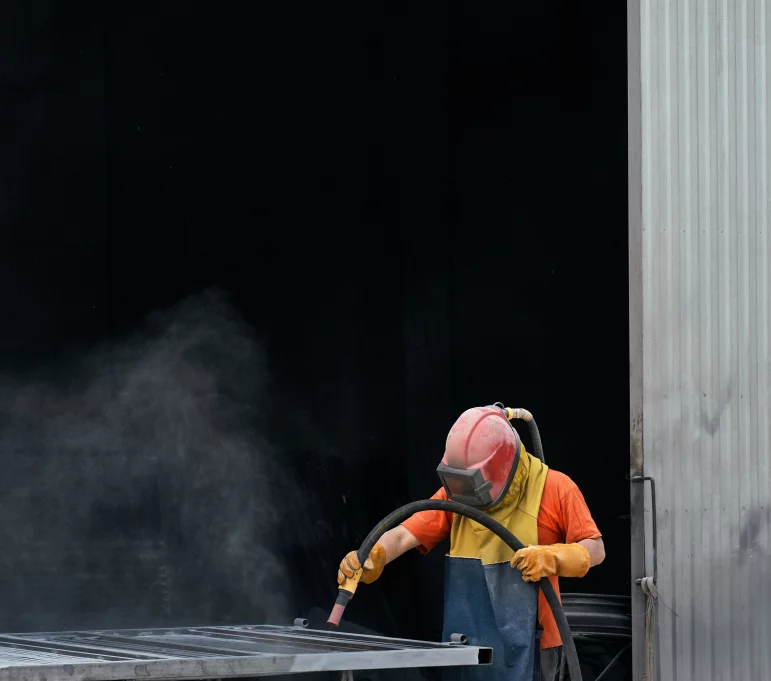
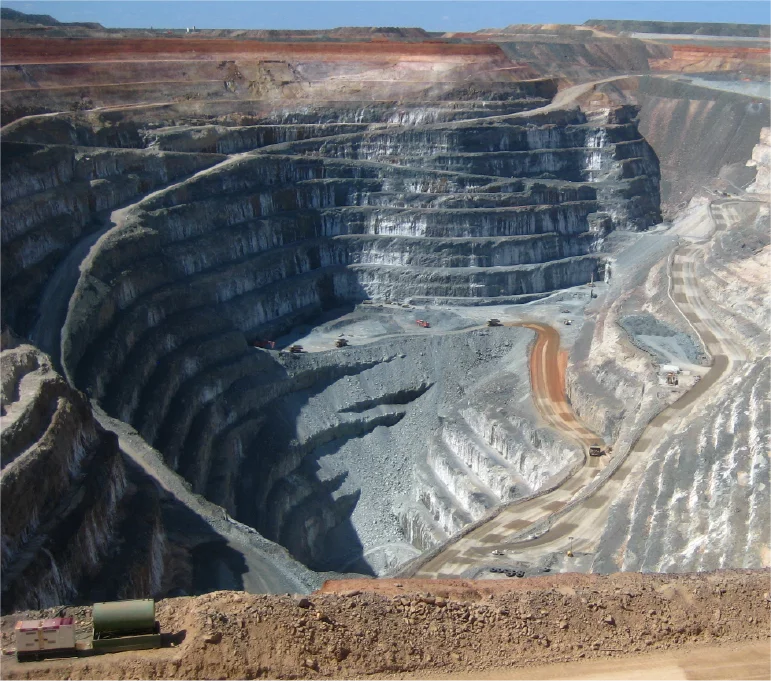


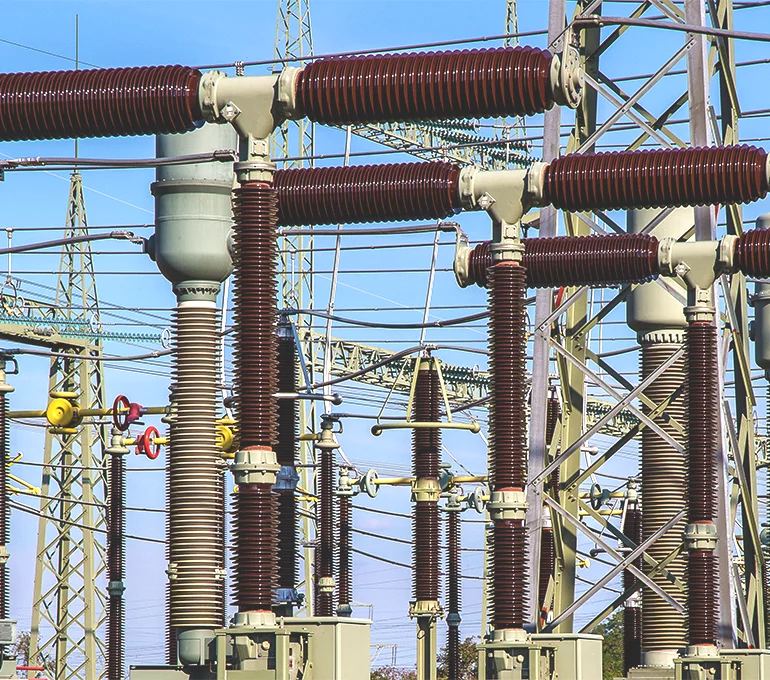

Variable speed compressor price in Sri Lanka
A variable speed compressor offer should explain the selected MAC3 MSD-V model and the demand pattern used for its selection. Send peak, typical and low-demand periods, together with the required pressure. Ask the proposal to identify its usable output range at that duty.
Separate the machine, receiver, dryer, filters, connections and commissioning in the price comparison. Confirm taxes, lead time, warranty scope and payment conditions. A cabinet price alone does not describe an installed system or establish that the selected size fits the factory’s quiet periods.
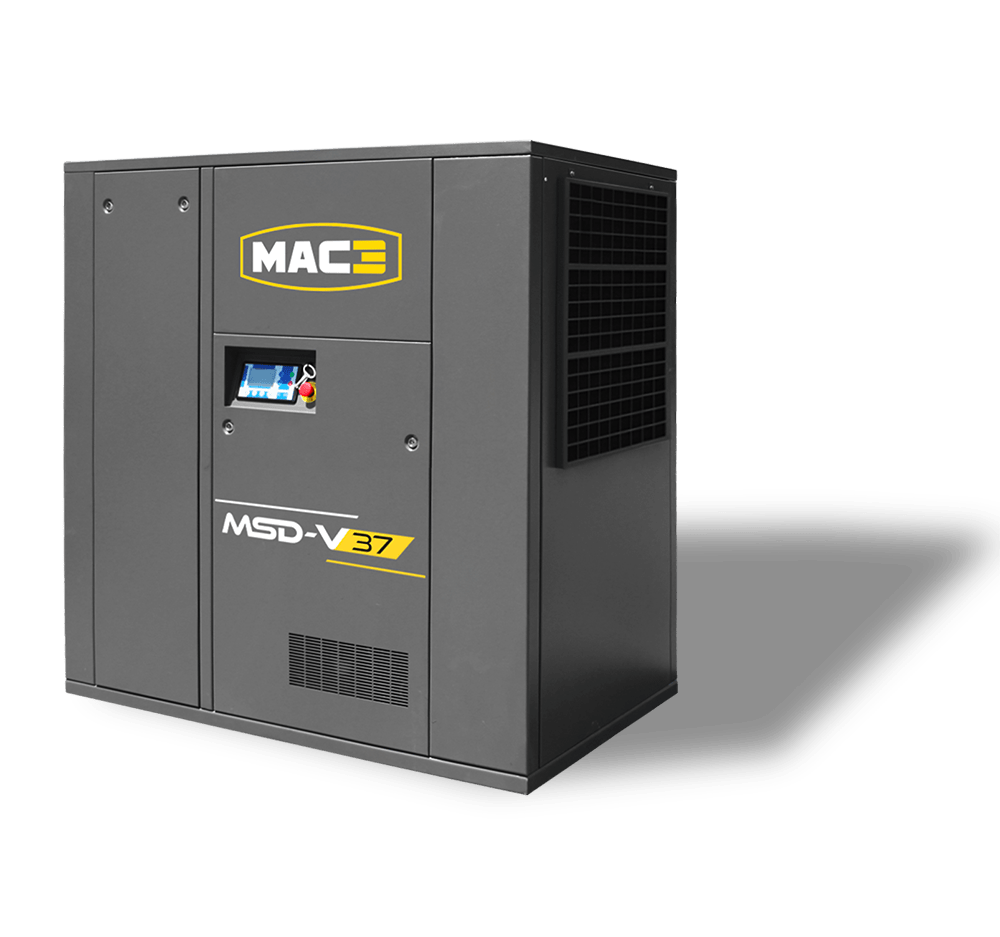
MAC3 MSD-V variable speed reference
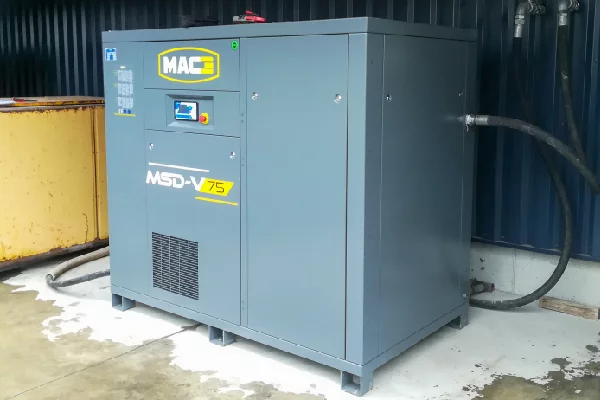
MAC3 lists its MSD-V variable speed family from 18.5 to 315 kW. Review the manufacturer family page and request current documents for the offered version. The images on this page are manufacturer references; confirm the actual configuration and availability in the quotation.
Keep the full model designation with the technical schedule. Ask which motor, inverter, air-end and controller are supplied and whether options change the specification. This avoids treating features of a similar-looking machine as confirmed equipment in your offer.
Map demand through the working day
Describe how air consumption changes between production shifts, machine changeovers and shutdown periods. List equipment that runs continuously and equipment used only occasionally. Mark which loads operate together rather than adding every nameplate demand without context.
Where available, supply measured records with dates, working pressure and production activity. Identify estimated figures clearly. A variable speed assessment benefits from knowing both the busiest operating periods and the lowest sustained demand, so the selection basis is visible in the final offer.
Peak, minimum and normal output
Ask the proposal to state the selected model’s operating flow range at the required pressure. Compare your normal duty and low-demand periods against that declared range. Have the supplier explain the proposed behaviour when the factory requirement falls outside the normal operating range.
Keep the flow definition and measurement units consistent across proposals. Variable speed labels do not replace model data. A useful comparison shows what output is available, how it relates to the actual demand profile and which assumptions still need measurement before purchase.
Power labels and usable capacity
Use the electric compressor size directory to organise capacity enquiries, then request an identified MSD-V model with rated output. Two machines with the same kW label can describe different pressure duties or versions; compare their documented operating conditions.
When replacing an existing compressor, provide its nameplate, running schedule and the reason for replacement. Explain whether demand has changed or whether low-demand operation is the main concern. A variable speed recommendation should address that problem explicitly in the proposed scope.
Energy estimates with a visible baseline
Request a calculation that states the existing equipment, measured or assumed demand, working hours and energy-price basis. Ask which supplied equipment is included in the estimate and how reduced-demand periods are represented.
Treat the result as an estimate conditional on those assumptions. A published family savings headline is not a guaranteed reduction in your factory’s bill. For a variable speed project, keep the calculation with the offer and agree any later measurement scope before relying on a financial payback figure.
Fixed-speed and variable speed alternatives
Compare the direct-drive MSD family using the same requirement sheet. Ask each proposal to show flow, pressure, operating schedule and system control rather than only a purchase-price total.
Describe whether demand stays near one operating point or changes substantially during production. Ask the supplier to explain the recommended arrangement. Variable speed is a selection option to assess against the documented duty, not a reason to skip checking sizing or the condition of the existing air network.
Pressure requirements across the network
Provide the minimum working pressure required by each critical machine and any readings available from the compressor room and production points. Identify when those readings were taken and which loads were operating.
Ask the supplier to distinguish compressor selection from network issues requiring further investigation. Keep proposed operating settings and connection work in the documented scope. A variable speed purchase should be assessed with the actual distribution arrangement rather than assuming a new cabinet will resolve every production pressure complaint.
Electrical and inverter configuration
Request the exact motor and inverter documents for the offered version. Send available supply details and any installation restrictions to the responsible electrical contractor. Identify the contractor’s connection work separately from equipment supplied with the compressor.
Ask how the proposed installation will accommodate the actual electrical version and required access. Confirm any monitoring connection or additional control work in writing. The variable speed family name does not establish that all electrical and communications options are included in the accepted price.
Coordinating existing compressors
If the new machine will share a supply with existing equipment, list every compressor and its normal role. Describe standby arrangements, operating hours and any current control system. Provide the available documents rather than relying on informal descriptions.
Ask the offer to state how the proposed variable speed machine will be operated alongside that equipment and who will configure the controls. Keep separate controller or instrumentation costs visible. A manufacturer’s feature list is not a finished design for your particular multi-compressor network.
Receiver and treatment requirements
Discuss the proposed receiver and dryer and filtration alongside the compressor duty. State the process’s required air quality and identify existing equipment that may be retained.
Ask for a clear system drawing, equipment schedule and rating basis. Confirm which connections, drains and accessories are supplied. A variable speed compressor image does not show a complete site-specific treatment arrangement, and a machine-only price should not be assumed to cover every downstream requirement.
Plant-room space and cooling access
Provide a sketch with the proposed position, doorways, ventilation routes and nearby equipment. Request the actual machine dimensions, service clearances and cooling-air requirements. Identify any ducting or access work before accepting the final scope.
Check that service panels remain accessible after the receiver, dryer and pipework are positioned. Ask what observations are needed during an inspection. The variable speed catalogue photograph is useful for identifying the family, while the final installation needs its own agreed drawing and responsibilities.
Low-noise options for occupied sites
Explain where operators and nearby occupants are located and whether the site has noise restrictions. Ask for declared sound information for the selected model and the measurement conditions. Compare equivalent information across alternatives.
Discuss the proposed location, ventilation and any acoustic work together. Confirm what a low-noise option includes and how it will be assessed. Do not interpret a range description as a guarantee of the sound level throughout a room after a variable speed system is installed.
Maintenance and model identification
Request operating instructions, consumable identifiers and the service schedule for the supplied version. Use the services page to organise maintenance or parts enquiries. Provide the model, serial number, running hours and relevant records with the request.
Before purchasing, ask how site visits and parts support are arranged and which costs are separate. Keep the motor, inverter and controller identities with the handover record. Support for a variable speed machine needs the actual configuration rather than a photograph of a broadly similar cabinet.
Commissioning and measurement scope
Agree what the installation team will record at handover and under which production conditions. Ask the proposal to identify electrical work, piping, control setup and commissioning attendance. Mark any additional formal performance measurement as a separate agreed item.
Retain the accepted variable speed selection basis and compare it with the installed arrangement. Record outstanding questions or changes before handover closes. This creates a practical reference for later support and avoids confusing an assumed operating benefit with a measured result.
Free site inspection for variable speed enquiries
Ask Vortex Axion about a free site inspection in Sri Lanka. Send the location, contact person, production hours and the reason for considering a new compressor. Prepare an equipment list and any existing consumption or pressure records.
Confirm the appointment and preliminary inspection scope. Detailed engineering, extended data logging and specialist testing may require separate quotations. A variable speed enquiry progresses more clearly when known readings, estimates and unanswered questions are supplied together before the visit.
A variable speed enquiry for changing production shifts
Prepare a short operating timeline showing when production starts, when the largest loads run together and when consumption reduces. Add machine changeovers, lunch breaks, weekend operation and any equipment left running outside production hours. The purpose is to describe the actual demand pattern clearly, without assuming that the busiest hour represents every hour of the day.
Attach available operating records and explain where each reading was taken. If the site has no measured consumption history, separate the equipment manufacturers’ stated requirements from your estimates of simultaneous use. Ask the supplier which information is sufficient for a preliminary proposal and which must be confirmed before the model is selected.
For a variable speed comparison, retain the same duty sheet across all offers. If one proposal assumes a different minimum demand, operating pressure or working schedule, ask for that difference to be explained. Keep a record of any observations made during a site review and update the requirement sheet after production changes. The final offer should show how the selected model relates to the pattern described by the factory.
Reviewing a variable speed payback proposal
Ask the calculation to identify the equipment being replaced or compared, the period represented by the records and the operating assumptions. A figure based on an estimated schedule should be labelled as such. If the site is expanding production, distinguish savings attributed to a comparison with existing equipment from costs associated with the new production requirement.
Read the equipment scope beside the calculation. Confirm whether additional treatment, monitoring, control work or installation items are included in the capital cost. Ask which operating costs have been considered and which remain outside the estimate. This helps the purchasing team understand what the stated payback figure actually covers.
Keep the estimate’s assumptions with the accepted variable speed quotation. If measured verification is part of the project, agree what information will be collected, who will report it and which production conditions are relevant. If no verification has been purchased, retain the figure as an estimate. Changes in shifts, connected machinery or the operating arrangement should be reviewed before an earlier calculation is reused as evidence for a later purchase.
Recording the supplied controls and operating basis
At handover, record the actual model and serial number, motor, inverter and controller identities. Keep the supplied instructions and relevant drawings together. A service request can then identify the fitted configuration rather than referring only to the general variable speed product-family name.
Ask the installation team to record the agreed operating basis and any coordination with retained compressors. Identify equipment that is shared, equipment that is dedicated and configuration work that remains outstanding. Where remote monitoring or other communications have been included, record the scope supplied and the responsible contact without assuming every family feature is present.
Maintain a dated record of changes to production demand or connected equipment. Add observations from representative operating periods when available. If new machinery is introduced, ask whether the original selection and control assumptions need review. These records help future maintenance and capacity discussions focus on the current system and distinguish a new production requirement from the arrangement originally quoted.
Variable speed questions
Does this guarantee an energy saving? Request a duty-specific estimate with its baseline and assumptions. Can I choose by peak demand only? Supply normal and minimum demand too. Are dryer and tank included? Check the named equipment schedule and installation scope.
Is every control option supplied? Confirm the actual controller and configuration. Does the photograph show Sri Lankan stock? It is a manufacturer reference. Can a low-noise option be discussed? Send the site restrictions and request model-specific sound data.
Contact Vortex Axion for variable speed guidance
Discuss your variable speed enquiry with Vortex Axion (Pvt) Ltd. Call 0777 123 263 or 0117 101818, or use the contact page. Our address is 31, 1st Lane, Medawelikada Road, Rajagiriya, Sri Lanka.
Send the pressure requirement, peak and minimum consumption, operating schedule and site information. Ask about a free site inspection and an identified MAC3 MSD-V proposal with confirmed availability, equipment and installation scope.
For enquiries covering several production areas, identify the contact responsible for confirming each area’s requirement. Keep their approved flow, pressure and operating schedule with the final variable speed offer. If those requirements change, request a documented selection review before relying on the earlier proposal. This gives the purchasing and service teams a consistent record of the equipment duty they are discussing.